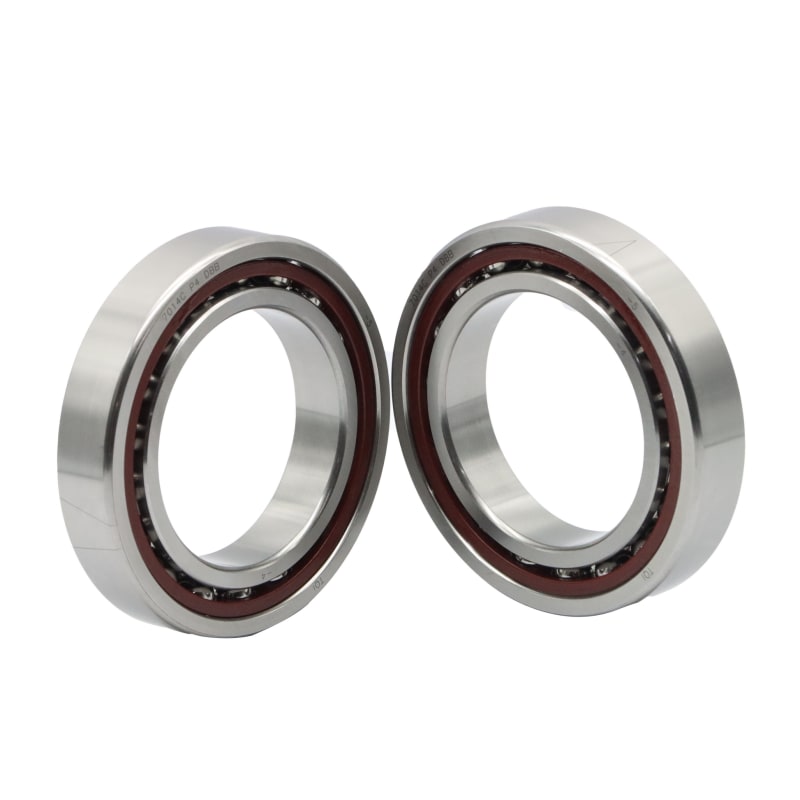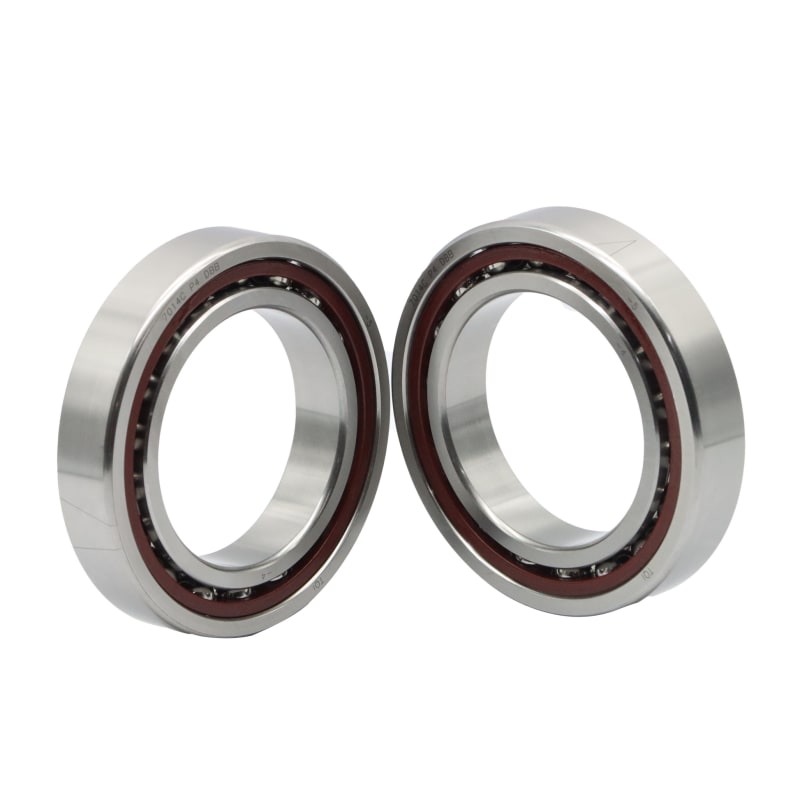

Comprehensive Engineering Guide to Angular Contact Steel Ball Bearing in Faridabad
Rigid Angular Contact Steel Ball Bearings structured in matched-pair combinations. Engineered to withstand intense combined axial and radial weight loads while maintaining strict operational geometry under structural milling conditions.
Every industrial angular contact steel ball bearing assembly undergoes extensive structural tolerance and speed-balancing evaluations at our specialized factory hub in Ahmedabad, Gujarat. By supplying conscious technologies paired with dedicated engineering support frameworks, we serve prominent equipment manufacturers (OEMs) and high-speed mechanical fabrication job shops across key manufacturing corridors, including Faridabad, Mumbai, Pune, Bangalore, and Delhi. Browse through our premium collection to secure durable motion control and industrial automation spares.
Technical Product Matrix: Spindle Motor Configurations
| Spindle Capacity | Operating Speed | Voltage Required | Cooling System |
|---|---|---|---|
| 12 kW | 18,000 RPM | 380 V | Water-Cooled |
| 0.8 kW | 24,000 RPM | 220 V | Air-Cooled (Long Shaft) |
| 3.7 kW | 40,000 RPM | 220 V | Air-Cooled (Short Shaft) |
| 2.2 kW | 24,000 RPM | 220 V | Water-Cooled |
| 4.5 kW | 18,000 RPM | 380 V | Air-Cooled |
| 6.0 kW | 18,000 RPM | 380 V | Air-Cooled |
| 7.5 kW | 18,000 RPM | 380 V | Air-Cooled |
Angular Contact Steel Ball Bearing Engineering FAQ
Where can I purchase genuine Angular Contact Steel Ball Bearing in Faridabad?
You can purchase genuine, factory-tested Angular Contact Steel Ball Bearing systems with localized support in Faridabad directly from TriQuench India. We provide high-speed units equipped with preloaded ceramic bearings and ISO 1940 dynamic balancing.
What are the typical technical configurations of a TriQuench Angular Contact Steel Ball Bearing?
Our Angular Contact Steel Ball Bearing assemblies typically operate within high RPM ranges (Up to 30,000 RPM), utilizing either air cooled (forced fan) / water cooled interfaces, and standard tool interfaces (Precision Matched Pairs Standard) to maintain structural accuracy.